×


Burundi Coffee and Tea proudly partners with a Burundian Arabica coffee farmers’ cooperative, ensuring direct sourcing and the highest quality beans. We focus exclusively on Fully Washed 15+ Arabica Green Coffee Beans, known for their clean and bright flavor profiles.

Nestled in the heart of East Africa, the lush hills of Burundi provide the perfect terroir for cultivating exceptional coffee. Grown at high altitudes (1,200-2,000 meters), these beans develop unparalleled density and complexity. With every sip, you’ll discover the hidden gem of East Africa: Burundian coffee, boasting exquisite flavors, unique aromas, and a rich cultural heritage

Nestled in the heart of East Africa, the lush hills of Burundi provide the perfect terroir for cultivating exceptional coffee. Grown at high altitudes (1,200-2,000 meters), these beans develop unparalleled density and complexity. With every sip, you’ll discover the hidden gem of East Africa: Burundian coffee, boasting exquisite flavors, unique aromas, and a rich cultural heritage

Cultivated since 1931 on the slopes of the majestic Zaire-Nile Ridge, Burundian tea thrives at high altitudes, between 1,700 and 2,500 meters. This unique geographical location, combined with exceptionally favorable climatic conditions, imbues Burundian tea with an intrinsic quality comparable to renowned Indian teas.

Burundi’s tea industry operates under a vertically integrated model, managed by the Office du Thé du Burundi (OTB). This system ensures full control throughout the production process, from supplying seedlings and fertilizers to farmers to collecting, processing, and exporting the finished tea. This vertical integration plays a crucial role in maintaining consistent quality and promoting sustainable practices.
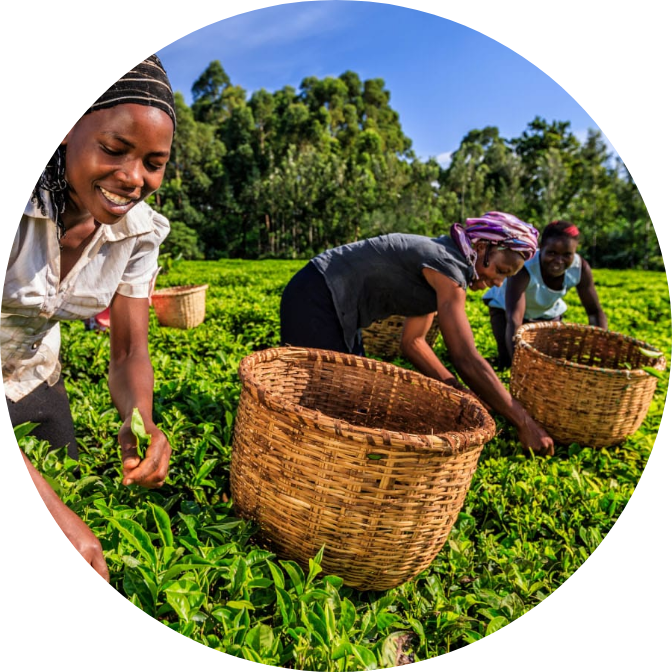
Nearly 80% of Burundian tea comes from small-scale “village plantations,” ranging from 10 acres to 1 hectare. This empowers approximately 60,000 tea growers, who deliver their harvests to one of the five OTB factories, securing a dependable source of income. Additionally, OTB maintains “industrial blocks” around its factories, employing primarily day laborers for tea picking, further contributing to local economic development.